泰国远程工作者税务:身份、工作许可与税务居民
如果你做远程工作,就办DTV:它正是为此设立的,但你不能接泰国客户。在一个日历年内住满180天或以上,你就是税务居民。成为税务居民后,2024年起取得的境外收入在汇入泰国时需要缴税。没有工作许可就工作,可能面临5,000–50,000泰铢的罚款。
阅读英文版 (Read this guide in English)
在清迈远程工作,归结起来就三个问题:你的签证是否允许,你是不是泰国税务居民,以及你的境外收入汇到时要不要缴税。简单说,DTV就是为远程工作设立的签证,在一个日历年内住满180天你就是税务居民,而2024年起取得的境外收入,税务居民一旦汇入泰国就要缴税。
你的签证允许远程工作吗?
免签入境只用于旅游,所以如果你打算在宁曼 (Nimman) 的咖啡馆里工作,该办的是目的地泰国签证(DTV)。它把远程工作列为目的之一,要求资金不少于500,000泰铢,每次入境最多可停留180天。麻烦在于,DTV持证人拿不到泰国工作许可,也不能为泰国公司或泰国客户工作。为海外雇主远程工作正是这个签证的用途;接本地客户不是。
另一条路是LTR签证中的“在泰国远程工作专业人士”类别,面向在成熟海外公司工作的远程工作者。这个类别同样不发工作许可。详情见DTV费用与办理步骤、LTR类别和免签规定。
没有工作许可就工作,或超出许可范围工作,《外国人工作管理紧急法令》明令禁止。罚款为5,000至50,000泰铢,之后被尽快遣送出境。这里说的“工作”指任何职业,不论有没有雇主。
ห้ามคนต่างด้าวทำงานโดยไม่มีใบอนุญาตทำงานหรือทำงานนอกเหนือจากที่มีสิทธิจะทำได้อันเป็นการฝ่าฝืนพระราชกำหนดนี้
编者译文,非官方文本:“外国人不得无工作许可工作,或从事超出其获准范围的工作,违反本紧急法令。”
紧急法令(第2号)佛历2561年,第8条,《皇家公报》2018年3月27日
你是泰国税务居民吗?
算一算你的天数。1月1日到12月31日之间在泰国待满180天或以上的人,就是当年的税务居民。一次长住或多次短住都算,国籍不影响。
DTV的问题就出在这里。它的180天停留期 和180天税务标准 是两套独立的规则,所以一次完整的DTV停留就能让你成为当年的税务居民。住179天不算税务居民,而天数是按日历年计算的,所以跨年的一次停留会分到两个年度里。完整的判定标准和实例见泰国税务居民与境外收入。
哪些收入要缴税
有两条规则要弄清。一条管你在境外赚了钱、再汇进来的部分。另一条管你人在泰国做的工作。
你汇入的境外收入
税务居民把境外来源收入汇入泰国,要计入当年的税务计算。这条规定适用于2024年1月1日起汇入的收入,不涉及该日期之前产生的收入。具体来说:
- 2024年起赚取的收入,在你当年住满180天或以上的情况下,汇入时缴税。
- 某一年在泰国住不满180天,该年的境外收入即使汇入也不缴税。
- 在泰国住不满180天的那些年里,在境外攒下的储蓄可以免税汇入。
- 按钱汇入泰国当天的汇率换算。
你在泰国期间做的工作
你在清迈工作的那些天的报酬,不论谁支付,都是泰国来源收入。第41条对在泰国完成的工作征税,不论钱在境内还是境外支付。上面的境外收入规则只适用于你在泰国境外工作的那些天的报酬。
LTR免税
三类LTR签证的持有人——富裕全球公民、富裕退休人士和在泰国远程工作专业人士——的境外来源收入免缴个人所得税。无需申请或事先批准。LTR持有人如果没有泰国来源收入、只有汇入的境外收入,就不需要申报,但有泰国来源收入的必须申报。DTV不属于LTR类别。
税率
泰国个人所得税按净收入分档征收,前150,000泰铢免税。
| 净收入(泰铢) | 税率 |
|---|---|
| 150,000以下 | 0% |
| 150,000–300,000 | 5% |
| 300,000–500,000 | 10% |
| 500,000–750,000 | 15% |
| 750,000–1,000,000 | 20% |
| 1,000,000–2,000,000 | 25% |
| 2,000,000–5,000,000 | 30% |
| 5,000,000以上 | 35% |
工资收入可以扣除50%的费用,最多100,000泰铢。
税号、申报与缴税
- 办税号。 没有个人身份证号的外国人,要申请纳税人识别号,在首次取得应税收入后60天内,用L.P. 10.1表格办理。
- 确认是否需要申报。 税务居民在纳税年度的总收入超过60,000泰铢,或与配偶合计超过120,000泰铢,就需要申报。
- 申报。 PND 90是一般申报表;PND 91只用于工资收入。2025纳税年度的纸质申报截止日为2026年3月31日,电子申报截止日为2026年4月8日。
- 自由职业者再加一份半年申报。 PND 94涵盖第40(5)、(6)、(7)、(8)条收入,电子申报截止日为10月8日。
- 缴税。 应缴税款达到3,000泰铢或以上,可以分3期等额缴纳。逾期缴税每月加收1.5%的附加费。
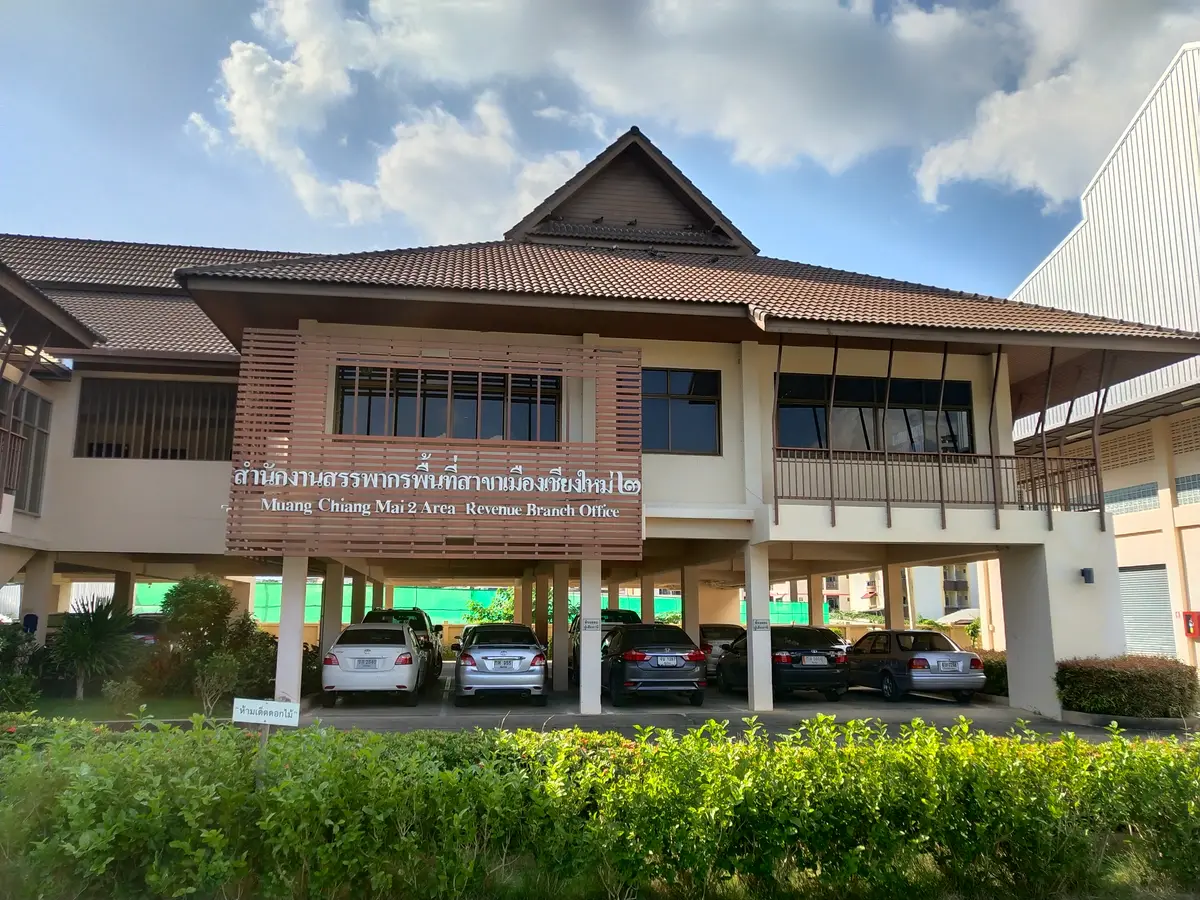
清迈地区税务局第1-2分局位于2 4 Charoen Prathet Rd, Tambon Chang Khlan,电话+66 53 284 172。
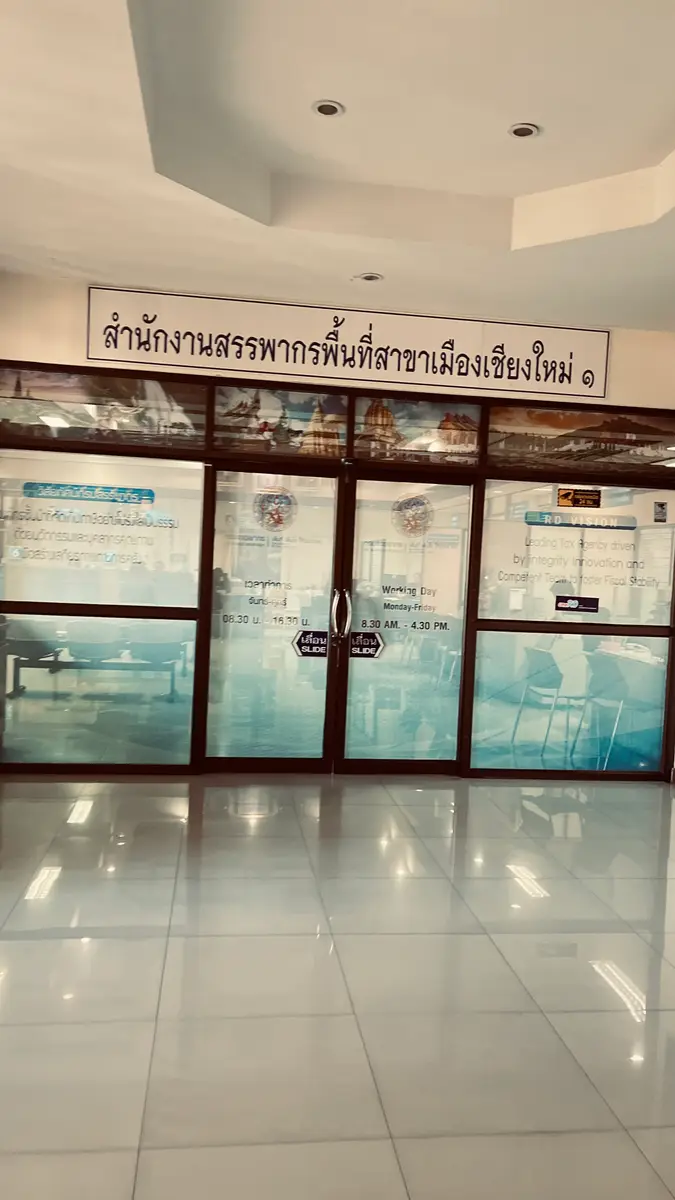
2 4 Charoen Prathet Rd, Tambon Chang Khlan, Mueang Chiang Mai District, Chiang Mai 50100, Thailand · 在 Google 地图中打开 (在新标签页中打开)
你本国与泰国的税收协定不会免除申报义务。当《税法典》与协定不一致时,适用对纳税人更有利的税率,采用抵免和免税两种方法。
图片 (2)
- Ampa Jaroenwung
- Tajima Lum
英文指南中的图表
图表中的文字为英文。
步骤
- 确认你的签证免签入境只用于旅游。DTV才是为远程工作签发的签证。
- 计算你的天数算一算1月1日到12月31日之间你在泰国待了多少天。
- 理清你的境外收入税务居民从2024年1月1日起赚取的收入,一旦汇入泰国就要缴税。
- 办税号没有个人身份证号的外国人,要申请纳税人识别号。
- 申报并缴税填PND 90;只有工资收入的话填PND 91。应缴税款达到3,000泰铢或以上,可以分3期缴纳。
未确认: 泰国税务局尚未公布第41条如何适用于为外国雇主工作、在泰国境内工作的那些天的报酬。这些天应按泰国来源收入处理。2026纳税年度的申报日期尚未公布。
常见问题
持DTV做远程工作需要工作许可吗?
不需要,而且你也办不到。DTV是为远程工作签发的,但持证人不能为泰国公司或泰国客户工作。LTR远程工作者同样拿不到工作许可。
没有工作许可就工作,会受什么处罚?
罚款5,000–50,000泰铢,然后被尽快遣送出境。
DTV能让我免缴泰国的境外收入税吗?
不能。免税只针对三类LTR签证,而DTV不属于LTR类别。
一年住不满180天,境外收入要缴税吗?
不用。一年在泰国住不满180天,境外收入即使汇进来也不缴税。住179天不算税务居民。
在两个日历年度的居住天数会相加吗?
不会,天数按日历年分别计算。在下一年住150天,不会让你在任何一个年度成为税务居民。
我需要税号吗?
需要,如果你没有个人身份证号。外国人在一个纳税年度内单次停留不超过14天、累计不超过90天,则不需要。
境外收入按哪个汇率换算?
按钱汇入泰国当天的汇率。
我本国的税会受影响吗?
当《税法典》与税收协定不一致时,适用对纳税人更有利的税率,采用抵免和免税两种方法。
更多中文指南
本文是依据上述来源核实的一般信息,不构成针对你个人情况的法律意见。价格、规定和营业时间可能变化,请到现场再确认一次。指南的核实方式见: How we check (英文)。
发现错误? 请告知编辑。
评论 (8)
NatJi
Is the new Foreign income tax really as bad as people are making it seem? I mean, I know that taxes are shitty but I'm just seeing comments on videos about how people are ready to pack up and leave Thailand because they don't want to deal with this tax... Is it really that bad? I know it's still confusing but how are those who are affected by this upcoming tax law going to handle this?
4 条回复
LovesReubens
For certain types of income it absolutely is relevant. Between US and Thailand for example, US government pensions are not taxable by anyone except the US. As a result of this DTA, Thailand is entitled to nothing from an expat who lives full time in Thailand off his US government pension. I know this won't be the case for too many folks, but that DTA is relevant in this case.
boi88
This is false. As one example, Americans are still tax residents of the USA even if they live in Thailand all year (and they will also be Thai tax residents). The USA does not relinquish that person's tax residency, and everything covered by the DTA (such as social security benefits) is 100% off limits to the Thai tax authorities.
blorg
Retirees are still generally tax resident wherever they reside, if you were retired in Europe you'd certainly be doing a tax return to the country you lived in. Depending on the source of your retirement income it may not be taxable in Thailand though, for example US social security is taxable only in the US, not in Thailand, under their DTA, so if that is the source, no tax is due. Private pensions or investment returns would however be taxable in Thailand. UK state pensions on the other hand are taxable in Thailand. Depending on the specifics. The bottom line with this though is that for a very long time Thailand was a bit of an outlier in how they handled this. My understanding is they *have* to change their tax system as part of their application to join the OECD, as the OECD has certain requirements of how a developed country tax system is meant to work, and that includes not totally exempting from tax large numbers of residents.
LKS983
Personally, I'm terrified. I pay tax on all my income in the UK, and now need to prove this to extend my retirement visa?? My income (all taxed pension income) is paid into an offshore account - purely because this makes it easier to transfer money (in sterling - better exchange rate) to Thailand. But my offshore bank is now requiring that I provide scanned forms/evidence and selfies via QR/QT or something..... to prove that I'm not laundering money! I'm relatively old, and would like to die as a result of the never ending/changing demands - whilst knowing that I have to stay alive, as my much loved dogs would be in serious trouble if I died.
ynotplay
Will Thailand still be an attractive place for foreigners to live, after abolishing the no foreign income tax rule? Interested to hear how you would do a cost/benefit analysis and come to a conclusion. I'm pretty sure "no taxes on foreign income" was an enormous perk of living in Thailand for many foreigners. From a quick glance, Thailand's tax regime isn't very competitive without this. For example, my guess is that most U.S. citizens would pay more taxes living in Thailand than if they stayed home. I know there are other factors to consider besides taxes such as cost of living and quality of life. But cost of living isn't exactly cheap anymore in BKK to maintain a similar lifestyle to back home. There's dangerous levels of UV radiation, high pollution, unstable government, high import tax, and quality/safety of food ingredients is pretty low imo. Medical services are affordable so that's still a perk especially if you're from a country with insane medical costs like the U.S. My hunch is, places like Japan and Korea is better value than Thailand right now (if you're able to get a resident visa or have citizenship) I personally don't think it's fair that foreigners are able to live in Thailand without paying any taxes to Thailand, but my point is going from paying 0 to high taxes is a huge shift. Will residing in Thailand still be considered a "good deal' for you? I'm interested in hearing if you've done a cost/benefit analysis and your method for coming to a conclusion.
2 条回复
SettingIntentions
From what I understand you already paid taxes on that money so therefore you don’t need to pay taxes when you bring it into Thailand right? Normally you can right off taxes that you’ve already paid elsewhere, if Thailand and your country has a tax agreement which I think most western nations do but I’m not sure… or am I understanding wrong?
blorg
If you're tax resident and tax is due on income remitted into Thailand, withdrawing it from the ATM isn't going to make any legal difference. That's remitting. Whether it's something you can get away with is another question.