Thailand Education Visa in Chiang Mai: ED Rules and Papers
Non-Immigrant ED is a single-entry visa for study. On arrival you may be granted up to 90 days. Longer stays need an extension from the Immigration Bureau at the officer's discretion. State and formal private schools can certify up to 1 year at a time; non-formal schools up to 90 days at a time and 1 year in total.
On this page
An ED extension rests on the school behind it. Clause 2.9 of the Immigration Bureau’s criteria asks a private school for three papers. They are a licence to operate, certification by the relevant government agency and its own certification and request that you stay. International schools and higher education are excepted from the agency certification.
What the ED visa covers
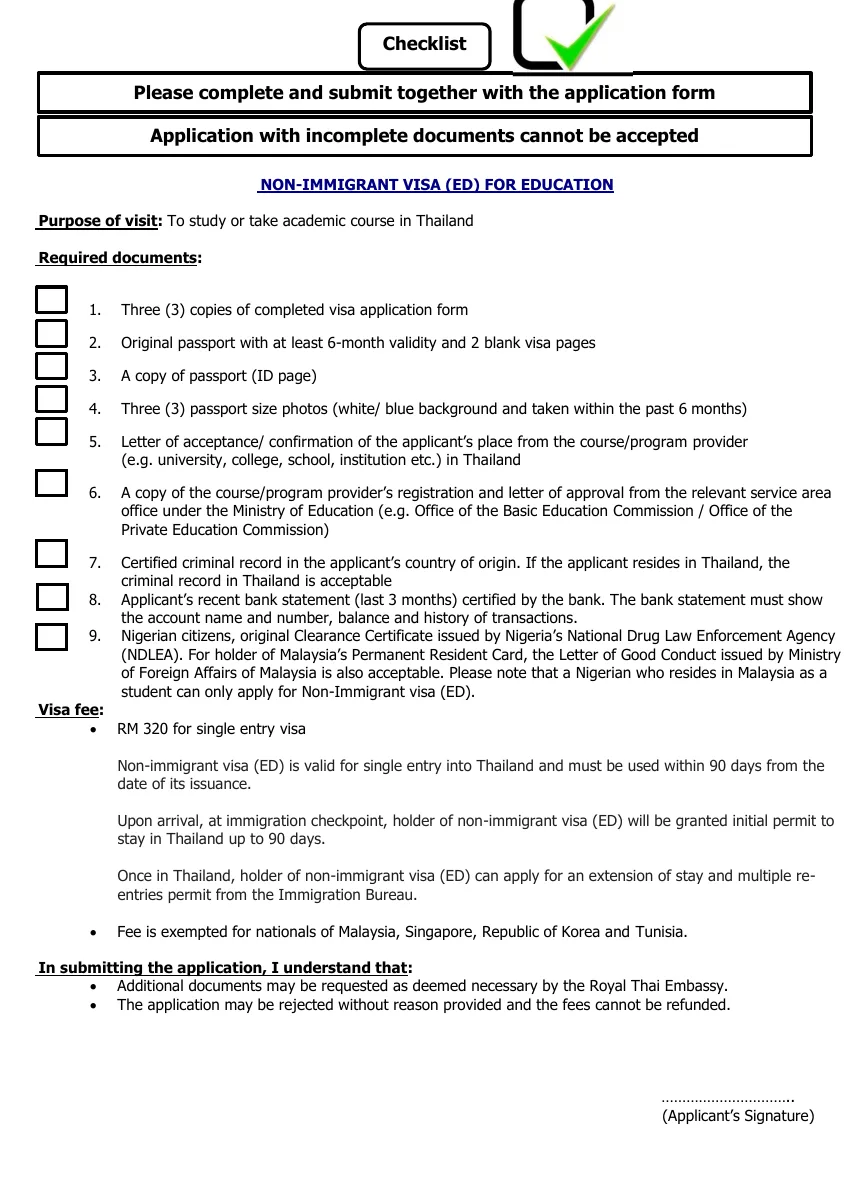
Non-Immigrant ED is for study, work-study or observation tours, seminars, internships, conferences, training courses and foreign Buddhist monks. Only a single entry is granted, and a single-entry visa is valid for three months.
The visa application at a Thai embassy needs these papers.
- A letter of acceptance or confirmation of the place from the course or programme provider in Thailand.
- A copy of the provider’s registration and a letter of approval from the relevant service area office under the Ministry of Education.
- A certified criminal record from the applicant’s country of origin, or a Thai record if the applicant lives in Thailand.
- A bank statement for the last 3 months, certified by the bank.
Oslo’s list adds evidence of finance of THB 20,000 per person and THB 40,000 per family. The list of the embassy that takes your application is the one that counts.
Two clocks run here. The visa must be used within 90 days of issue, the same window as its three-month validity. The second clock starts at the checkpoint, where the holder may be granted an initial permit to stay for up to 90 days.
Activities such as Muay Thai courses and cooking classes sit under the Destination Thailand Visa. The DTV guide covers that route.
ED, ED Plus and short courses
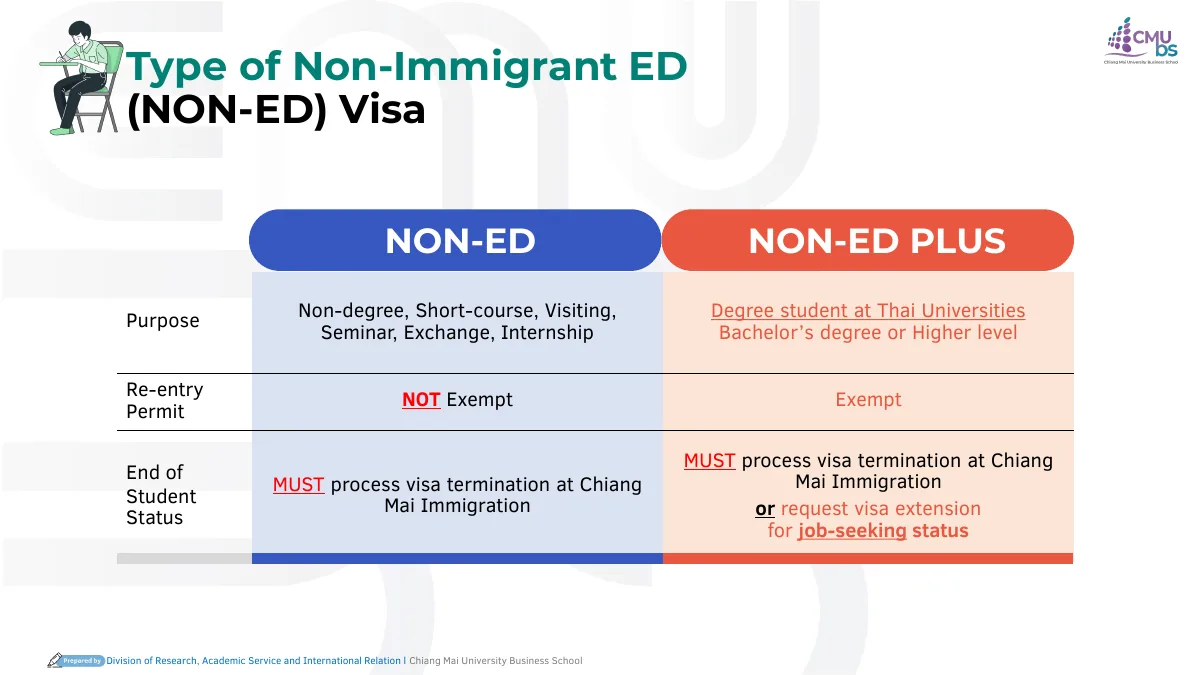
The Non-ED Plus visa is a student visa for people studying at bachelor’s level or higher at a Thai university. An ED Plus holder at Chiang Mai University can leave and re-enter Thailand during studies without a re-entry permit. A plain ED holder buys a re-entry permit before any trip (see the last section).
A degree student who expects to graduate is eligible to apply for job-seeking status.
Chiang Mai University does not support a change of visa inside Thailand. Apply for the ED visa from your home country.
From the embassy to the arrival stamp
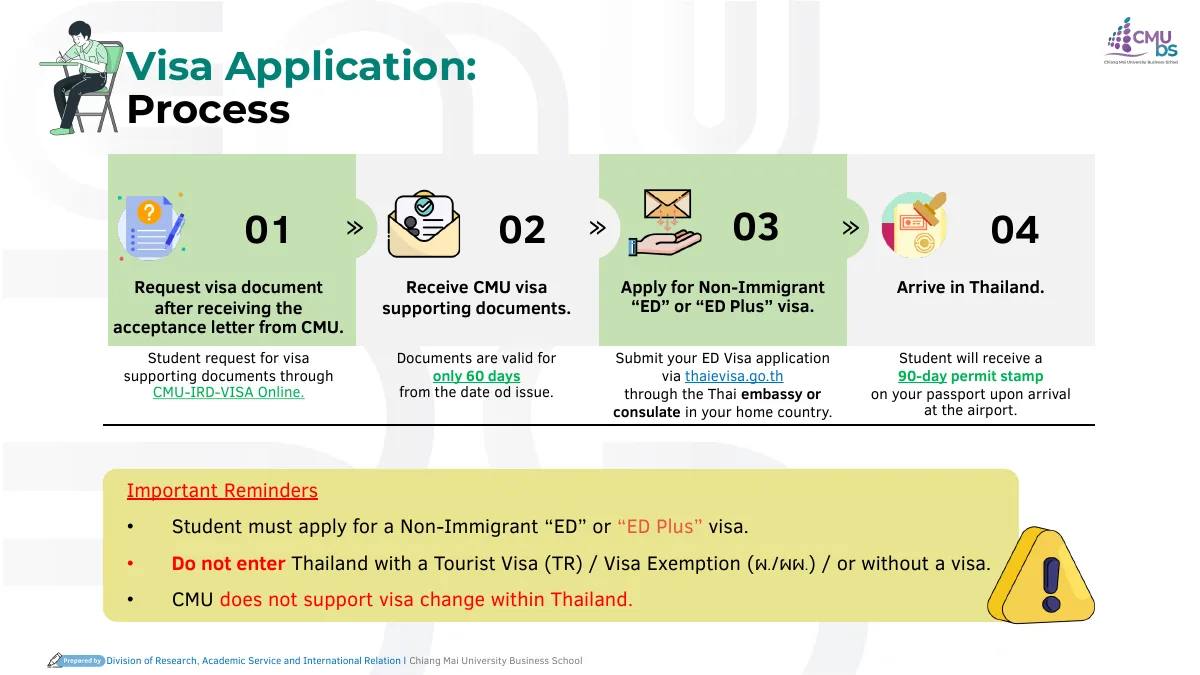
Submit the ED application on thaievisa.go.th through the Thai embassy or consulate in your home country. The school’s supporting documents for it are valid for only 60 days from the date of issue.
The checkpoint then grants the initial permit of up to 90 days. Extension is the next step, and it is at the officer’s discretion.
The papers a school must hold
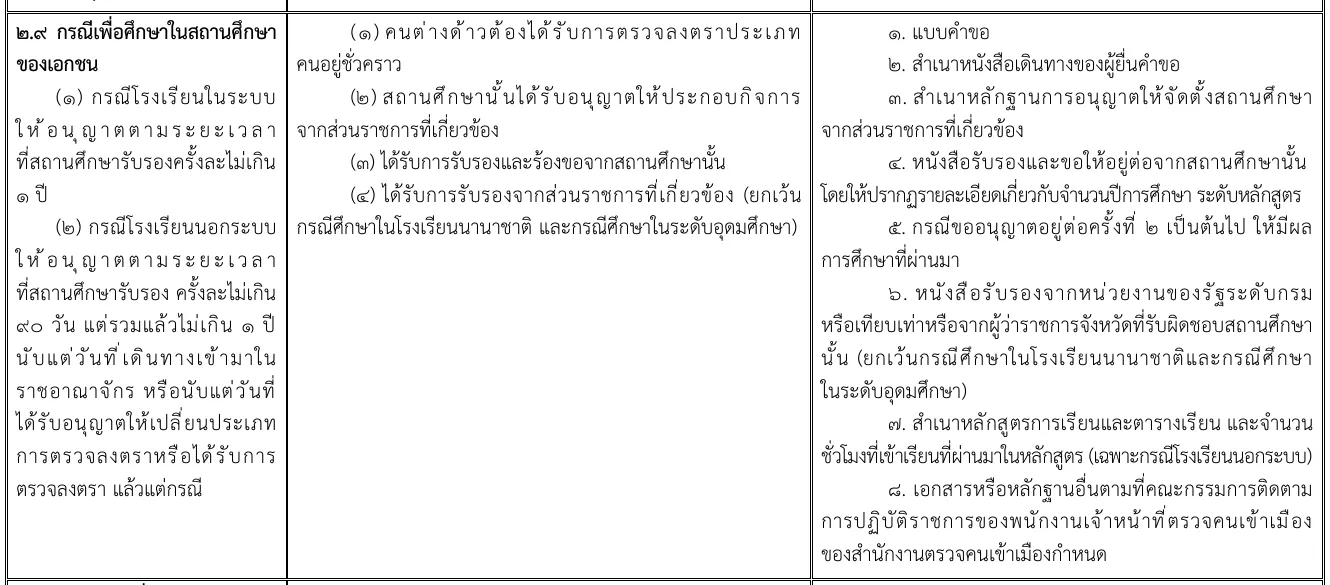
For study at a private school, clause 2.9 of Immigration Bureau Order 12/2568 sets four criteria.
- The foreigner holds a visa of the temporary-stay type.
- The school is permitted to operate by the relevant government agency.
- The school has certified the foreigner and asked for the stay.
- The relevant government agency has certified the school, except for international schools and higher education.
The file adds a copy of the school’s licence from the relevant government agency. It also holds the school’s letter certifying you and asking for the stay, showing the number of school years and the level of the course.
The file also carries a certificate from a department-level state body or the provincial governor responsible for the school, except for international schools and higher education. At a Chiang Mai language school, the school prepares the papers for the Chiang Mai Provincial Education Office to ask for the extension.
For a state school, clause 2.8 asks for an official-type or temporary-stay visa and the school’s letter certifying you and asking for the stay.
To check a school before paying, ask for the copy of its operating licence, which goes into your file. The visa application separately needs the provider’s registration and a letter of approval from the relevant service area office.
How long one extension runs
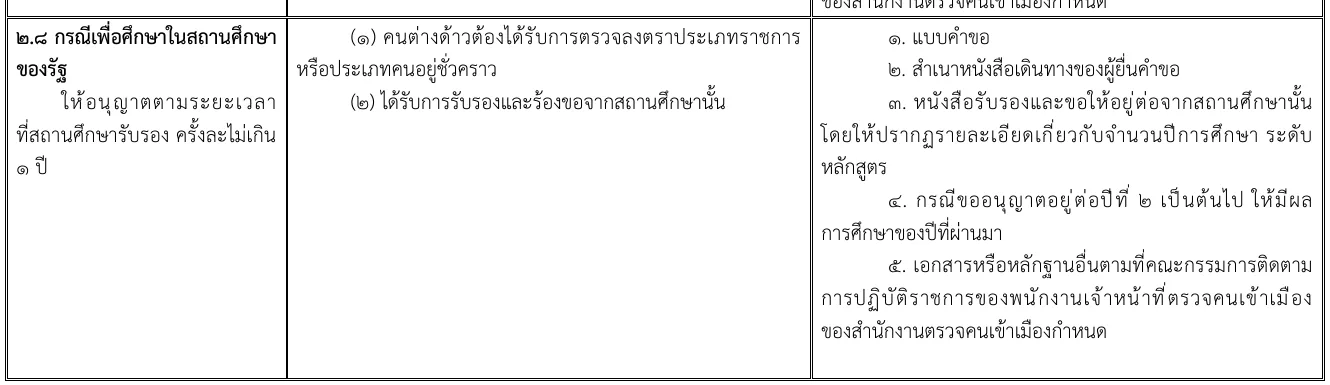
Order 12/2568 has applied since 23 January 2025 and replaced Order 242/2566. Permission on grounds of necessity is granted for no more than 1 year at a time.
| School type | One extension |
|---|---|
| State school, clause 2.8 | The period the school certifies, not more than 1 year at a time |
| Formal private school, clause 2.9 | The period the school certifies, not more than 1 year at a time |
| Non-formal private school, clause 2.9 | Not more than 90 days at a time and 1 year in total from entry, change of visa or grant |
The school’s category sets the length. In practice:
- A university is state or higher education: Chiang Mai University students receive a maximum 1-year extension annually, the clause 2.8 pattern.
- Language-school extensions run every 90 days, the non-formal pattern.
Request the extension papers early. Chiang Mai University students request them 30-45 days before the visa expires, and the Faculty of Medicine asks for them at least one month before. A language school prepares them about 2 weeks before expiry.
The extension file, attendance and the fee
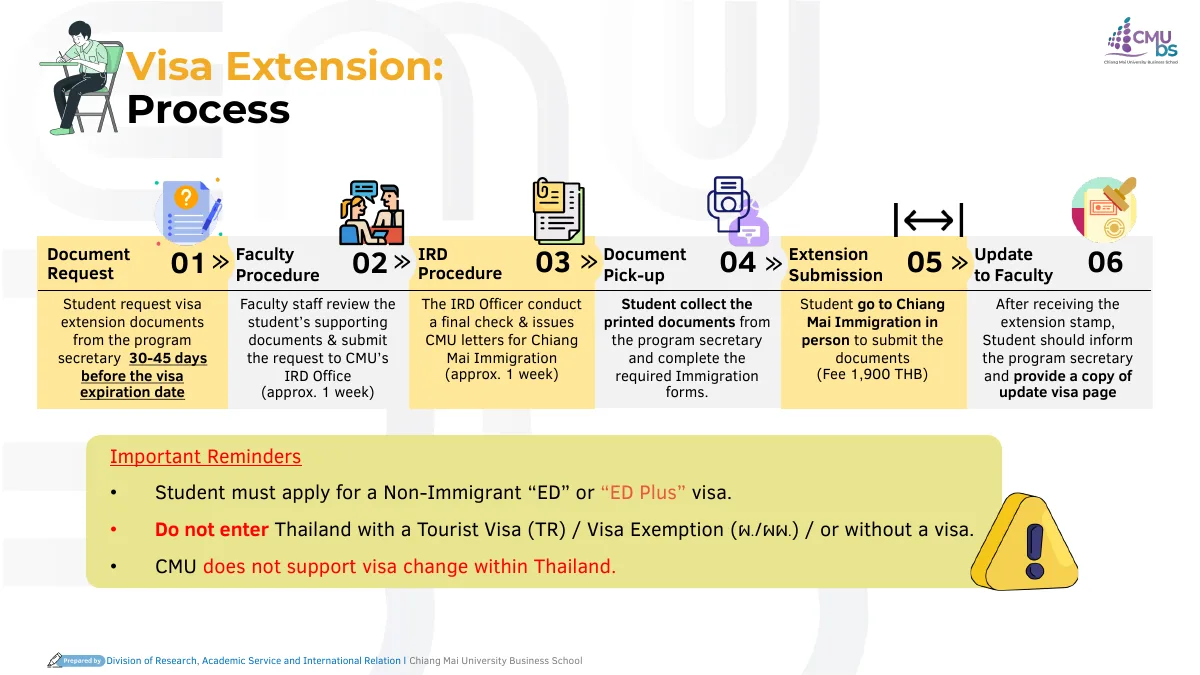
From the second year at a state school the file includes the study results of the past year. At a private school the study results so far are added from the second extension onward.
For non-formal schools the file also includes a copy of the course and timetable and the number of hours attended so far. The order sets no attendance percentage.
The school sets its own: one Chiang Mai language school requires at least 80% in each 90-day study period. The school’s certification is a criterion for the stay.
A language school may also ask for a current lease in Chiang Mai.
The Faculty of Medicine’s list for Non-ED holders includes a copy of the TM.30 residence notification. The house-master, owner or possessor of the residence notifies immigration within twenty-four hours. The duty sits on the landlord, not on the foreigner. The residence notification guide covers how to check it.
The Immigration Bureau fee list shows THB 1,900 for an extension of stay.
While an extension is being considered, appointments to hear the result may be stamped, for no more than 30 days in total. If the criteria are not met, the foreigner must leave within 7 days of the day permission ended.
90-day reports while you study
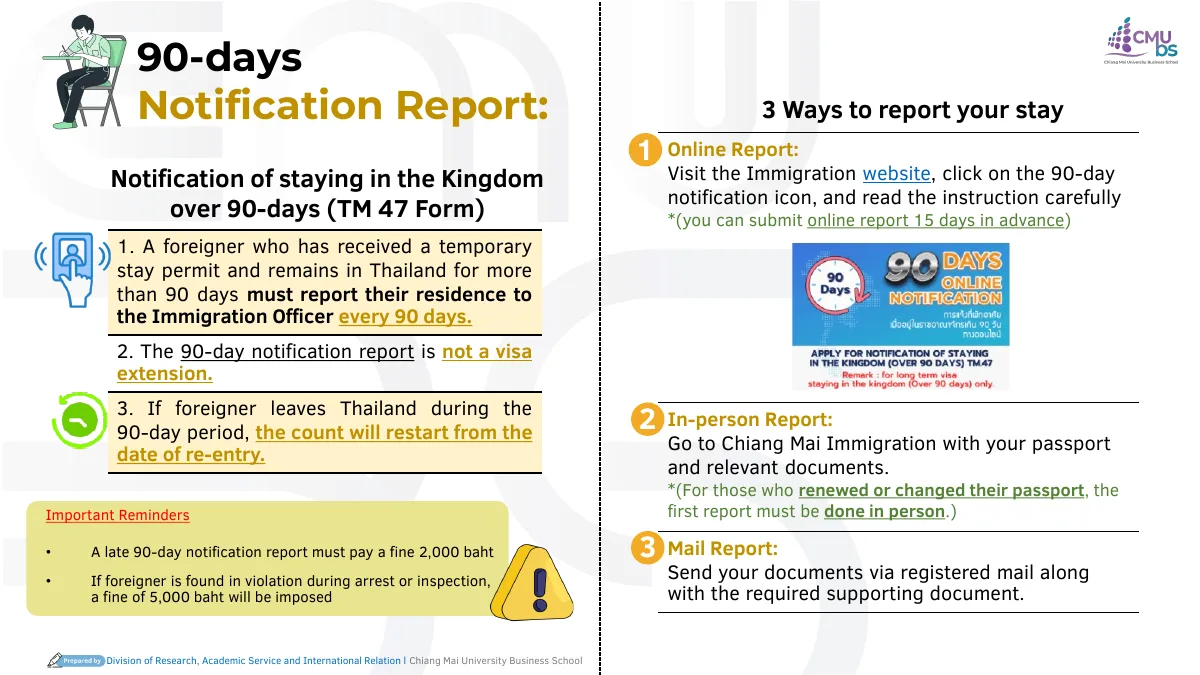
A foreigner permitted to stay temporarily must notify an immigration officer of their address every ninety days. A report may be made from 15 days before until 7 days after the due date.
- In person at the local immigration office, by registered post or online.
- Through another person, if the foreigner authorises one.
- Late: in person, with a THB 2,000 fine.
The 90-day notification is not a visa extension. Full steps are in the 90-day report guide.
Where to file in Chiang Mai
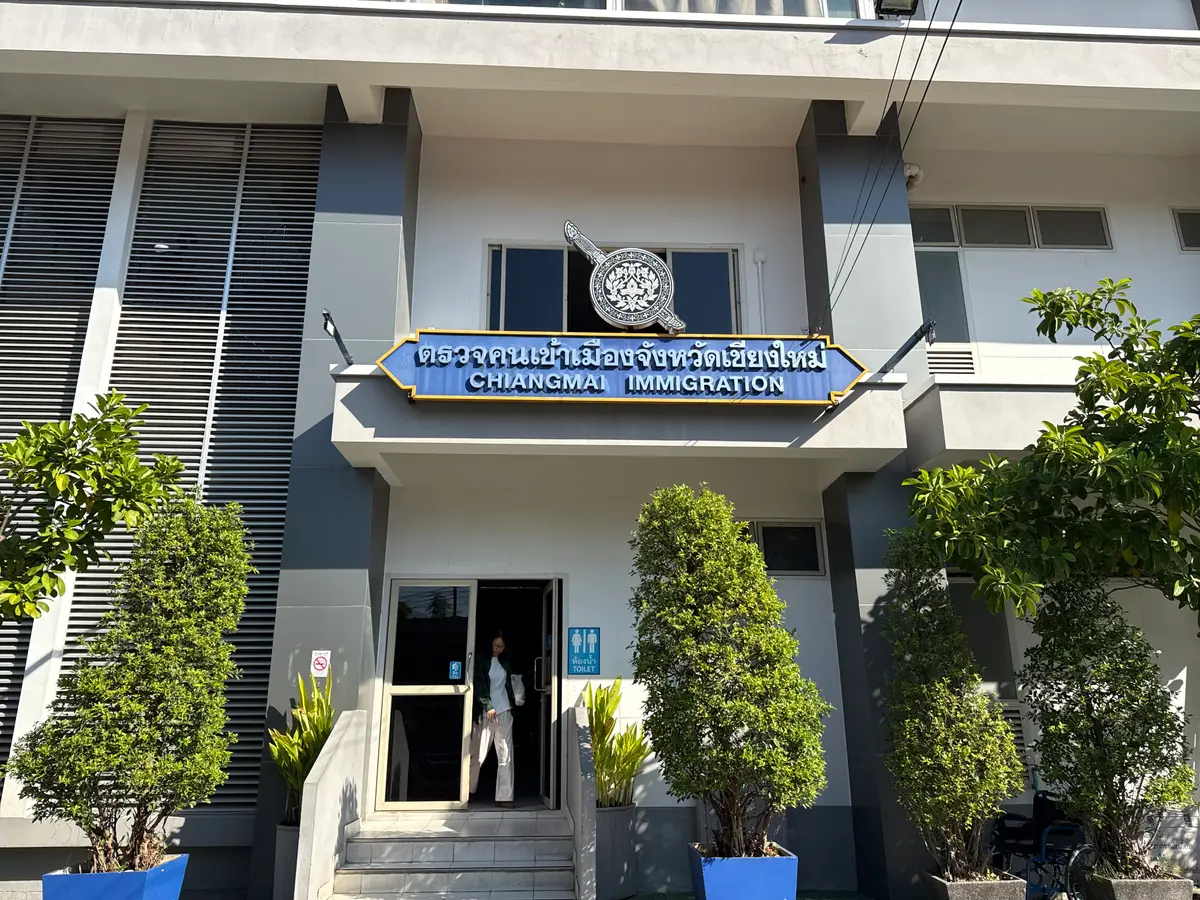
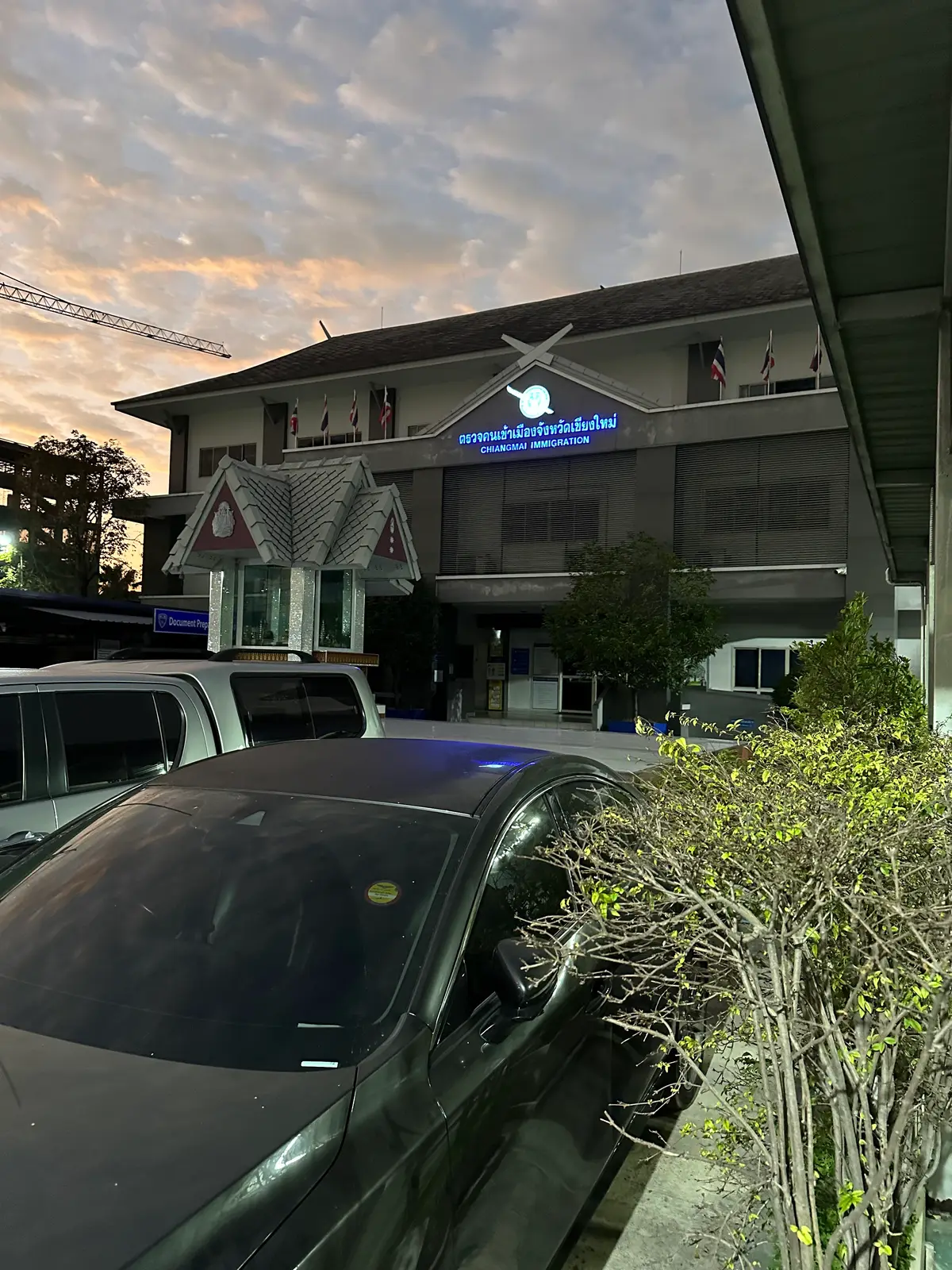
Chiang Mai Immigration is at 71 Moo 3, Sanam Bin (Airport) Road, Suthep, Mueang, Chiang Mai 50200. The telephone is 053 201 755. The Services for Foreigner Section handles applications for and changes to all types of visa.
71 ถนนสนามบิน Suthep, Mueang Chiang Mai District, Chiang Mai 50200, Thailand · Open in Google Maps (opens in a new tab)
Open in Google Maps (opens in a new tab)
The service point on the 2nd floor of Central Festival Chiangmai handles extending short-term tourist visas, and services for teachers and students. It is open from 09:00 to 17:00. An extension is filed in person at either place before the visa expires.
99,99/1, 99/2 หมู่ ที่ 4 Lampang - Chiang Mai Superhighway, Nong Pa Khrang, Mueang Chiang Mai District, Chiang Mai 50000, Thailand · Open in Google Maps (opens in a new tab)
Open in Google Maps (opens in a new tab)
Bring these to the counter.
- Your passport and the school’s letter certifying you and asking for the stay.
- The TM.7 application form and the STM.2 acknowledgement form.
- A copy of the TM.30 residence notification.
- THB 1,900 for the extension.
The Immigration Bureau handbook of 2019 gives counter hours of 08.30 to 16.30 with a lunch break. Online e-Extension is available only for some visa categories. See the Chiang Mai Immigration office guide for hours and counters.
Re-entry, work and the end of the visa
A plain ED holder who leaves Thailand without a re-entry permit loses the permitted stay. A single re-entry permit costs THB 1,000 and a multiple one THB 3,800. The application uses form TM.8 with one 4x6 cm photo.
A student’s father, mother, spouse, child, adopted child or spouse’s child may be permitted to stay not more than 1 year at a time. The dependent visa guide covers the papers.
No foreigner may work without a work permit. Breaking Section 8 brings a fine between five thousand and fifty thousand baht and removal. The Non-B and work permit guide covers the legal route.
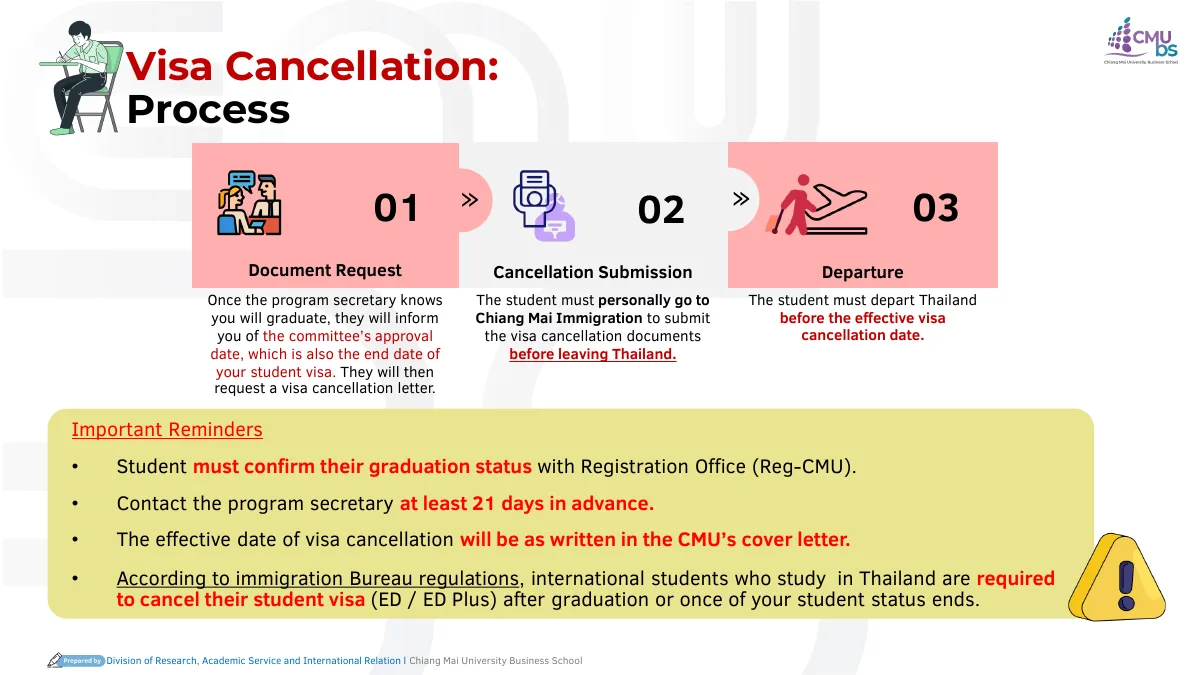
When study ends, international students must cancel the student visa after graduation or once student status ends.
Overstaying costs THB 500 per day, up to THB 20,000. If the overstay is under 90 days and the fine is paid before departure, the person is not banned on a later visit. The overstay guide has the ban tiers.
Photo credits
- Photos and clips uploaded to Google Maps (Chiang Mai Immigration Office on Google Maps (opens in a new tab)) by Peter Miller (WHY THAI), ben chidgey.
Not confirmed: Whether ED holders can use online e-Extension: it covers only certain visa types, so plan on the counter. Whether a short non-degree university course qualifies: confirm with the university before paying. Which category your school holds: the order uses both terms without defining them.
Reach readers planning life in Chiang Mai. Advertise → hello@chiangmaijao.com
Common questions
How long can I stay on an ED visa at first?
On arrival at the checkpoint the holder of an ED visa may be granted an initial permit to stay for up to 90 days. The visa itself must be used within 90 days of issue.
Which extension length applies to my school?
A state school, which includes a state university, or a formal private school: the period the school certifies, up to 1 year at a time. A non-formal private school: up to 90 days at a time and 1 year in total. Language-school extensions run every 90 days.
Is there a minimum attendance percentage?
The order sets none; it asks non-formal schools for the hours attended so far. One Chiang Mai language school requires at least 80% attendance in each 90-day study period.
Who certifies my school?
A private school is permitted to operate by the relevant government agency and certified by it. The file adds a certificate from a department-level state body or the provincial governor, except for international schools and higher education.
Can my spouse or child stay with me?
The family of an ED student (father, mother, spouse, child, adopted child or spouse's child) may be permitted not more than 1 year at a time. The [dependent visa guide](/family/dependent-visa-kids-thailand/) has the papers.
How long can one ED extension run?
At a state school or a formal private school, for the period the school certifies, not more than 1 year at a time. At a non-formal private school, not more than 90 days at a time and 1 year in total.
Does the school need a licence?
For a private school, clause 2.9 asks that the school is permitted to operate by the relevant government agency. It is also certified by that agency, except international schools and higher education.
Do I need attendance records for an extension?
For non-formal schools the file includes a copy of the course and timetable and the number of hours attended so far. From the second extension the study results so far are added.
What does an ED extension cost?
The Immigration Bureau fee list shows THB 1,900 for an extension of stay.
Do I need a re-entry permit to leave Thailand?
Yes, as a plain ED holder: leaving without a re-entry permit cancels the permitted stay. A single permit costs THB 1,000 and a multiple permit THB 3,800. ED Plus degree students at Chiang Mai University need no permit.
Can I work on an ED visa?
No work is allowed without a work permit. A foreigner who breaks Section 8 faces a fine between five thousand and fifty thousand baht and removal.
Do I make 90-day reports while studying?
Yes. A foreigner permitted to stay temporarily must notify an immigration officer of their address every ninety days. A late report is made in person with a THB 2,000 fine.
Read next
Places in this guide

General information checked against the sources listed above, not legal advice for your situation. Rules and office practice change; confirm with the immigration office or a licensed adviser before you act. See how guides are checked.
Spotted an error? Report it.