Pharmacies in Chiang Mai: Rules, Signs and What to Ask
A Chiang Mai pharmacy must have a pharmacist on duty for the duration of its business hours. A dangerous drug may not be sold while the pharmacist is absent. A specially controlled drug is sold against a doctor's prescription. Medicines for personal use may be carried into Thailand for up to 30 days.
On this page
Three rules decide what you can buy at a Chiang Mai pharmacy. A licensed shop must keep a pharmacist on duty for the duration of its business hours. A dangerous drug is sold only while that pharmacist is present. A specially controlled drug is sold against a doctor’s prescription.
What a Chiang Mai pharmacy sells you
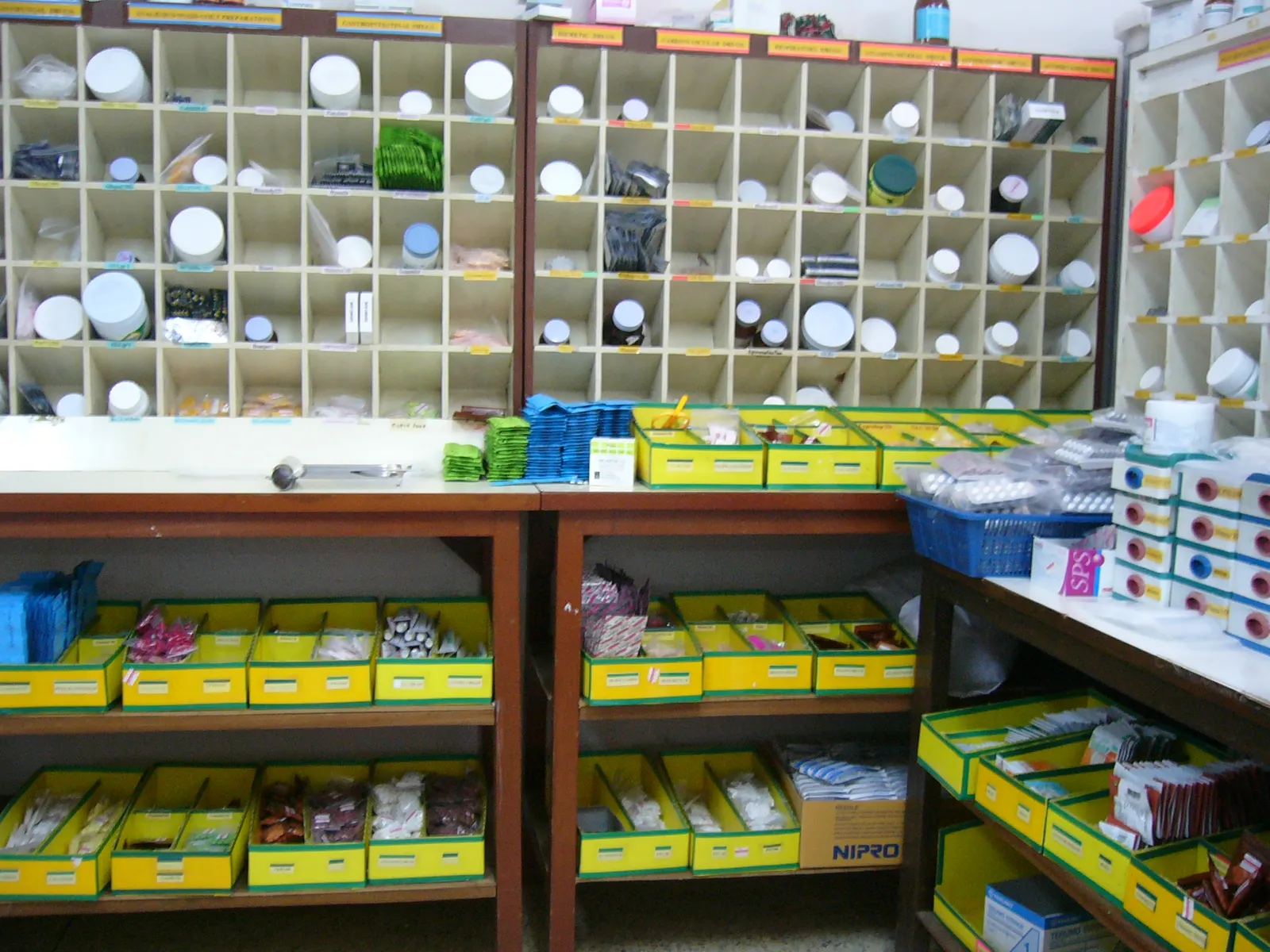
Thai law sorts medicines into classes that sit in separate places in a shop. A seller keeps dangerous drugs, specially controlled drugs and other drugs separately. Which class a product is in decides who hands it over.
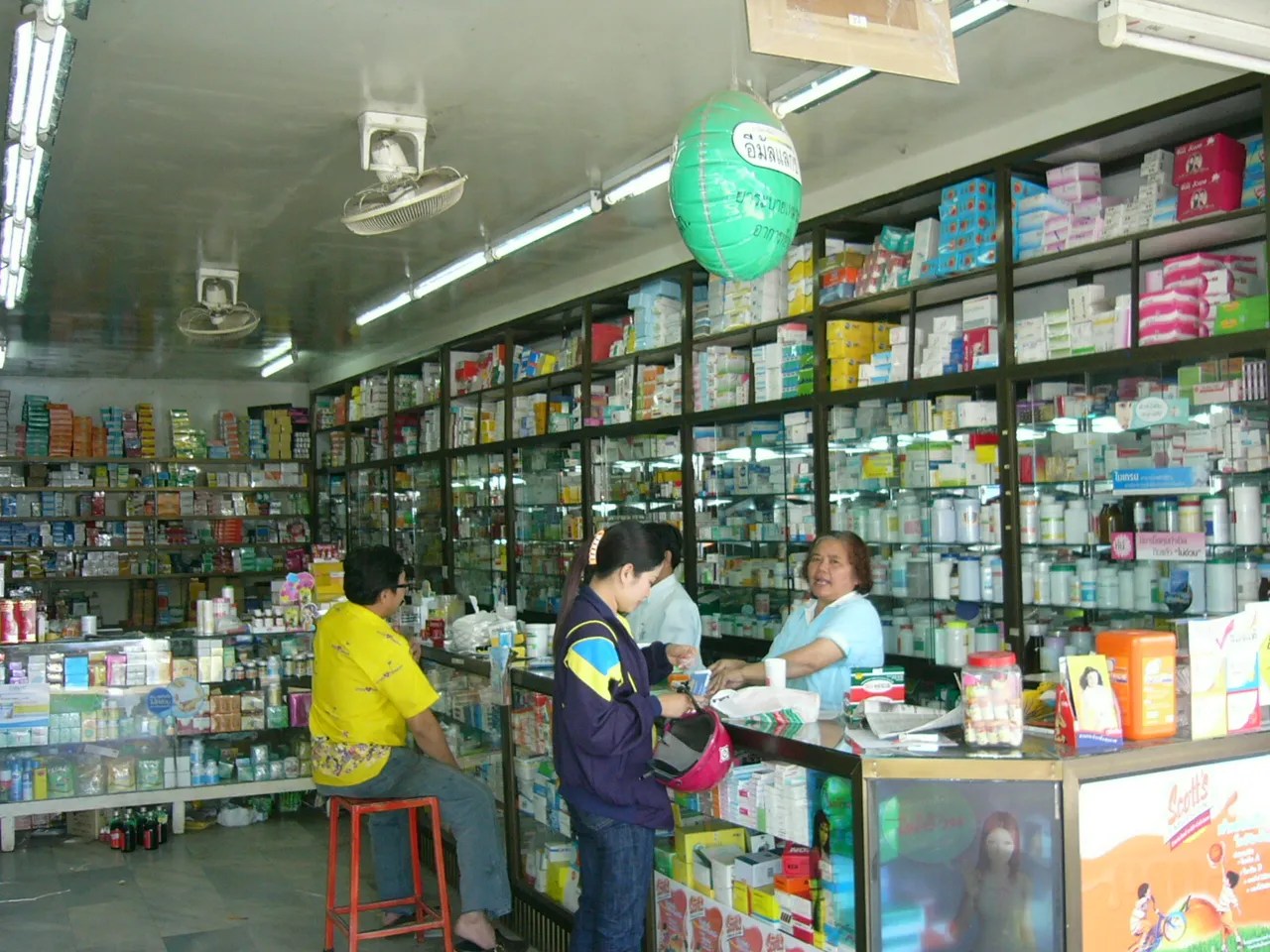
Household drugs
A shop that sells modern drugs must hold a licence from the licensing authority. Section 13(3) lists the sale of common household drugs among the sales that fall outside that rule.
Shops with a limited licence
The Drug Act has a licence category for shops that sell only ready-packed modern drugs that are not dangerous or specially controlled. Section 22 lets such a shop be staffed by a pharmacist, a practitioner in vocation medicine or a first class practitioner in dentistry, midwifery or nursing. These shops are not where you ask for a dangerous drug.
Dangerous drugs
The Drug Act defines a dangerous drug as a modern or traditional drug the Minister has notified as a dangerous drug. The pharmacist on duty controls the delivery of dangerous drugs. No licensee may sell one while the pharmacist is not present, and a breach carries a fine of one thousand to five thousand baht. If the pharmacist is not at the shop, ask for the drug elsewhere.
The English Drug Act translation sets the pharmacist, not a prescription, as the condition for selling a dangerous drug. An FDA slide set tells pharmacists to sell a dangerous drug in a quantity that is appropriate on technical grounds. Antibiotics are on the Ministry’s dangerous-drug list, apart from topical ones and those declared specially controlled.
Specially controlled drugs
A specially controlled drug is a drug the Minister has notified as specially controlled. In a modern-drug pharmacy such a drug needs a doctor’s prescription and delivery by a pharmacist. Selling one without a prescription carries prison and fines. A second class pharmacist may not dispense, sell or deliver one.
Two recent examples. From 15 September 2026 GLP-1 injectable weight-loss pens are specially controlled drugs. In June 2025 the FDA moved single-ingredient oral tramadol to specially controlled and limited its sale to medical facilities.
Prescription or not: a quick table
| Class | Who may hand it over | Prescription? |
|---|---|---|
| Household drugs | Sale is outside the licence rule | Not mentioned in the Act text |
| Dangerous drugs | The pharmacist on duty | The Act names the pharmacist as the condition |
| Specially controlled drugs | A first class pharmacist, not a second class one | Yes, in a modern-drug pharmacy |
The 2023 FDA release says dangerous and specially controlled drugs are for use on a doctor’s prescription only. That remark came from the police briefing and conflicts with the Act translation on dangerous drugs. When a counter asks for a prescription, ask which class the drug is in.
How to read the shop sign and the label
Section 26(1)(b) requires a sign outside the shop with the first name, last name and qualification of the person on duty and the business hours. Read the sign, then ask who the pharmacist on duty is.
The Pharmacy Council vice-president says pharmacists in a pharmacy wear a white coat with the Pharmacy Council badge. The FDA release also points to the app “My Pharmacy” (ร้านยาของฉัน) to see which nearby pharmacies have a pharmacist.
Section 21 sets the duty. A shop licensed to sell modern packaged drugs must have a first or second class pharmacist on duty for the duration of business hours.
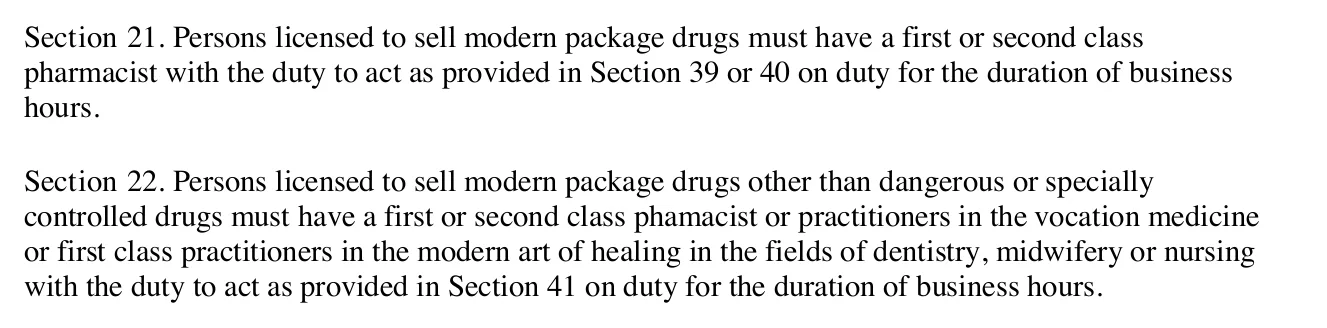
The label tells you which class you hold. A dangerous drug (ยาอันตราย) or specially controlled drug (ยาควบคุมพิเศษ) carries those words in clearly visible red letters. A shelf of boxes with no red words is a first hint, not proof, that the drug is neither.

Painkillers and fever: why the pharmacist matters
Thai FDA material calls the NSAID group (aspirin, ibuprofen, diclofenac, naproxen, celecoxib) “dangerous drugs”. Their use must be under a doctor or pharmacist only. Anyone with a chronic condition should tell the pharmacist before buying. That is the group a shop hands over through the pharmacist.
Tramadol is a painkiller that changed class. The single-ingredient oral form is now sold only in medical facilities, not pharmacies. Pharmacists still supply the tramadol and paracetamol combination.
The fever rule: take paracetamol for a high fever and avoid NSAIDs such as diclofenac, ibuprofen and aspirin. The dengue guide has the warning signs and the DDC figures: dengue fever in Chiang Mai.
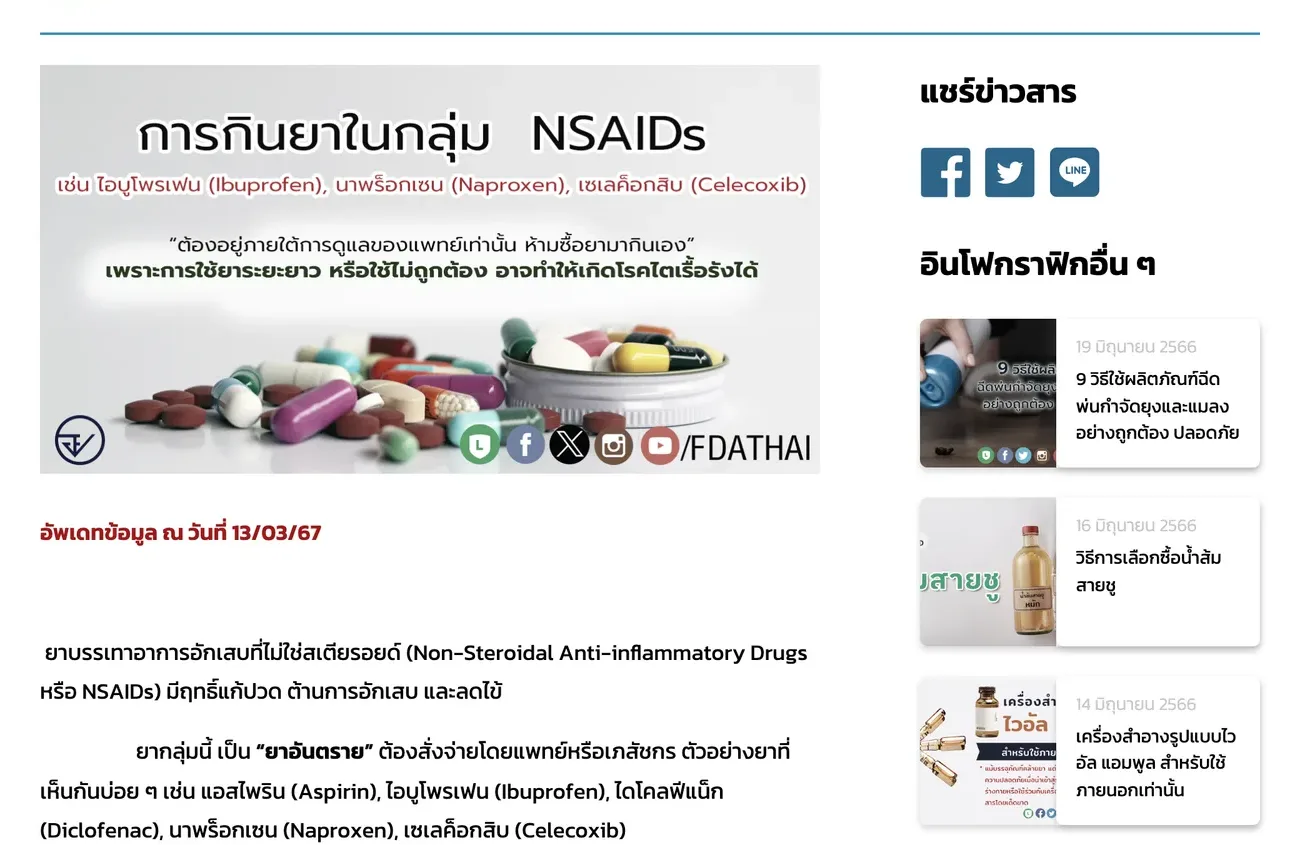
Controlled, narcotic and psychotropic medicines
If a doctor prescribed a specially controlled drug, show the prescription. The slides say the shop sells the quantity the prescription states. A second class pharmacist may not dispense it. If you need one, ask whether the pharmacist on duty is first class.
Ask before you travel with a narcotic or psychotropic medicine. Importing Type I psychotropic substances is not allowed, and bringing narcotics to treat your own disease must be licensed by the FDA Narcotics Division before import.
Bringing your own medicines into Thailand
The FDA allows medicines for personal use in the amount necessary for up to 30 days. Psychotropic and narcotic medicines have their own limits.
| Medicine | Amount | What the FDA asks |
|---|---|---|
| Medicines in general | 30 days | Personal use |
| Psychotropic, Schedules II, III, IV | 30-day supply | Certificate or prescription from the prescribing physician |
| Psychotropic, longer course | 31 to 90 days | FDA permit, Form IC-2, at least 15 days before travel |
| Narcotic, Schedules II and III | 90-day supply | FDA Narcotics Division licence before import |
| Herbal products | 90 days | No cannabis or hemp |
Carry the certificate or prescription with the packs. The 30-day psychotropic rule applies to travellers under treatment who carry a certificate or prescription from the prescribing physician.
If a shop breaks the rules
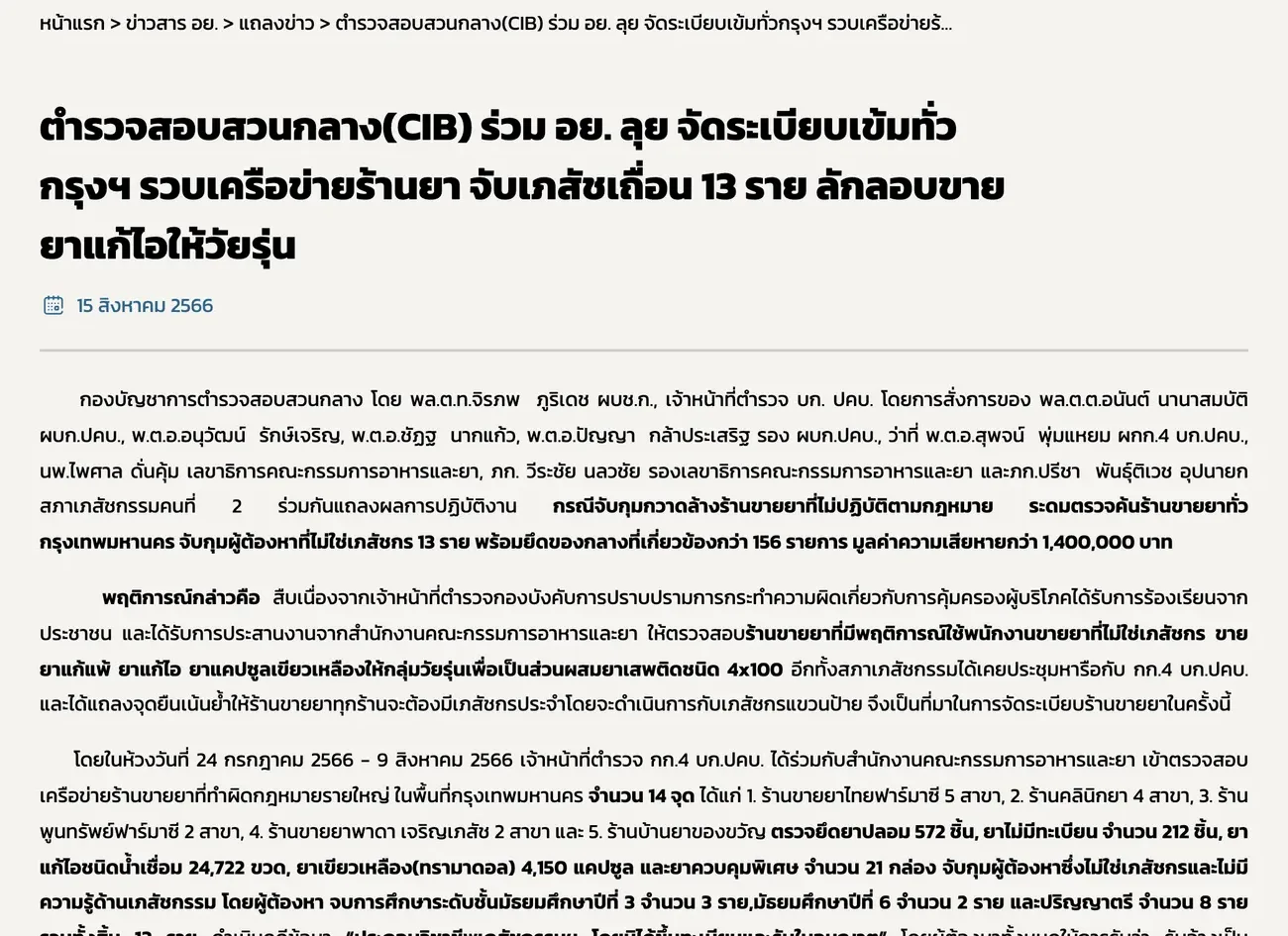
The FDA release of 15 August 2023 describes a Bangkok operation in which staff who were not pharmacists sold allergy and cough medicines to teenagers. It lists the penalties for the licence holder and the pharmacist.
- Selling a dangerous drug while the pharmacist is not on duty: a fine of THB 1,000 to THB 5,000 for the licence holder.
- A person charged with the pharmacist duties who does not perform them: a fine of one thousand to five thousand baht under Section 109.
- A pharmacy found trading drugs improperly: a licence suspension of 120 days or revocation.
To report a shop, call the FDA hotline 1556. The Consumer Protection Police hotline is 1135.
Related guides
- Dengue fever in Chiang Mai: symptoms, hospital and prevention
- Rabies and Japanese encephalitis vaccines in Chiang Mai
- First week in Chiang Mai: a day-by-day checklist
Photo credits
- A shop-front pharmacy counter in Thailand: Wikimedia Commons (opens in a new tab), User:Mattes (Public domain)
- Medicine shelves in a Thai hospital pharmacy: Wikimedia Commons (opens in a new tab), User:Mattes (Public domain)
Step by step
- Read the sign outside the shopThe sign must show the name and qualification of the person on duty and the business hours. Look for a white coat with the Pharmacy Council badge.
- Ask for the pharmacistA pharmacist must be on duty for the duration of business hours and controls the delivery of dangerous and specially controlled drugs.
- Name your symptoms and ask what is safeFor a fever, take paracetamol and avoid NSAIDs such as diclofenac, ibuprofen and aspirin. Tell the pharmacist about any chronic condition before you buy.
- Bring a prescription for a specially controlled drugA specially controlled drug is sold in the quantity the prescription states, and a second class pharmacist may not dispense it.
- Check the FDA limits before you carry your own medicinesMedicines for personal use may be carried for up to 30 days; psychotropic and narcotic medicines have their own limits.
Not confirmed: Two FDA texts differ on dangerous drugs. A 2023 release says a doctor's prescription only. The Drug Act translation and the FDA NSAID page make the pharmacist the gate. Ask the pharmacist about any single drug. No sourced list of late-night pharmacies in Chiang Mai was found; try the FDA-backed app.
Reach readers planning life in Chiang Mai. Advertise → hello@chiangmaijao.com
Common questions
Does a pharmacy in Chiang Mai have to have a pharmacist present?
A shop licensed to sell modern packaged drugs must have a first or second class pharmacist on duty for the duration of business hours.
Is ibuprofen a prescription drug in Thailand?
Thai FDA material calls the NSAID group, which includes ibuprofen, dangerous drugs for use under a doctor or pharmacist. A pharmacist must be present to hand over a dangerous drug. Tell the pharmacist about any chronic condition first.
Which medicines need a doctor's prescription at a Chiang Mai pharmacy?
A specially controlled drug is sold in a modern-drug pharmacy only on a doctor's prescription, with a pharmacist handing it over. Selling one without a prescription carries prison and fines. Example: GLP-1 weight-loss pens from 15 September 2026.
Can I buy antibiotics without a prescription?
Antibiotics are on the Ministry's dangerous-drug list, with exceptions for topical use and for those declared specially controlled. A dangerous drug needs the pharmacist on duty.
How do I tell a real pharmacist from a shop assistant?
A pharmacist in a pharmacy wears a white coat with the Pharmacy Council badge. The sign outside must show the name and qualification of the person on duty.
What do the red words on a medicine label mean?
The Drug Act has the label of a dangerous or specially controlled drug show those words in clearly visible red letters.
What is the penalty for selling a dangerous drug without the pharmacist on duty?
The 2023 FDA release lists a fine of THB 1,000 to THB 5,000 for the licence holder.
How do I report a pharmacy that uses staff who are not pharmacists?
The FDA hotline is 1556. The Consumer Protection Police hotline is 1135.
Can a pharmacy lose its licence?
A pharmacy found trading drugs improperly can have its licence suspended for 120 days or revoked.
How many days of psychotropic medicine may I carry in?
Up to a 30-day supply with a certificate or prescription from the prescribing physician. A course of 31 to 90 days needs an FDA permit, Form IC-2, at least 15 days before travel.
May I bring herbal products?
For personal use in quantities for use not exceeding 90 days. Do not import herbal products containing cannabis or hemp.
Read next
General information checked against the sources listed above, not legal advice for your situation. Rules and office practice change; confirm with the immigration office or a licensed adviser before you act. See how guides are checked.
Spotted an error? Report it.